
General
Ethanol is a clear, colourless liquid obtained through fermentation of sugars or by synthetic chemical processes. Its properties vary depending on purity level, production method, and raw materials used. Ethanol is widely used in industrial applications, pharmaceuticals, fuel blending, and as a solvent. It is highly flammable and mixes easily with water and many organic liquids.
Ethanol is commonly produced from sugarcane, molasses, grains, or other biomass sources. It is classified as a volatile organic compound and is used in the manufacture of alcoholic beverages, chemicals, and personal care products.
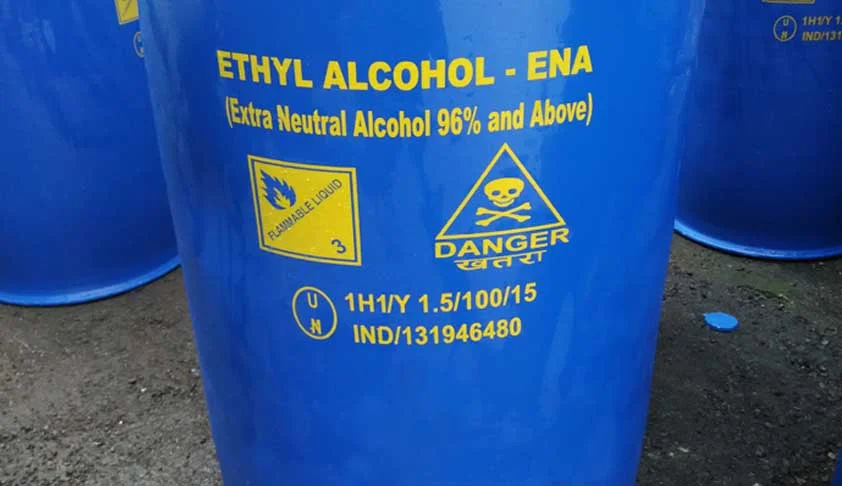
Main composition of Ethanol (Typical Values)
| Component | Ethanol (%) |
|---|
| Ethanol | 95 – 99.9% |
| Water | 0.1 – 5% |
| Impurities | Trace |
Solubility
Ethanol is completely miscible with water and many organic solvents. Its solubility allows it to act as an effective carrier and blending agent in industrial and chemical processes.
Viscosity
Ethanol has low viscosity compared to other industrial liquids, which enables easy pumping and handling. Its viscosity decreases slightly with an increase in temperature, improving flow characteristics.
Ethanol is a Newtonian fluid, and its pumpability depends mainly on temperature and purity. It has a consistent flow behavior, making it suitable for transportation and storage. The concentration level directly affects volatility and evaporation rate.
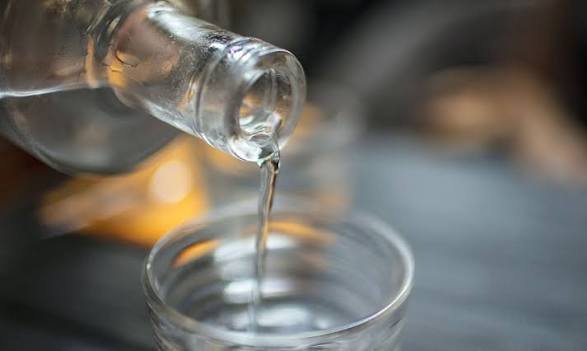
Ethanol evaporates quickly at ambient temperatures, forming vapours that may create flammable mixtures with air. Proper ventilation and temperature control are essential during storage and transport.
Explosion and Health Hazard data
Ethanol is highly flammable and should be handled with care. Vapours may form explosive mixtures with air and pose fire risks in confined spaces. Prolonged exposure may cause irritation, and inhalation of vapours should be avoided. It reacts with strong oxidizing agents and should be stored away from heat and ignition sources.
